

What to expect in the classroom
These are just some of the unique learning environments that we have in our program
Creating an Engaging Learning Space
My primary goal is to foster a stimulating and inclusive learning environment where every student feels empowered to explore, question, and grow. Massage therapy is quite literally a hands on profession and I am a strong believer in practical hands on learning.


Assessment
Assessment skills are a cornerstone of the Massage Therapy program at Niagara College. Throughout their studies, students learn how to evaluate client presentations, identify relevant findings, and use clinical reasoning to determine appropriate treatment approaches while recognizing when referral or further investigation may be required. Students develop competency in a variety of assessment techniques, including postural and gait analysis, range of motion assessment, muscle strength and length testing, special orthopedic testing, dermatome and myotome evaluation, and deep tendon reflex testing. These skills help students gather meaningful clinical information and support safe, effective, and evidence-informed treatment planning.
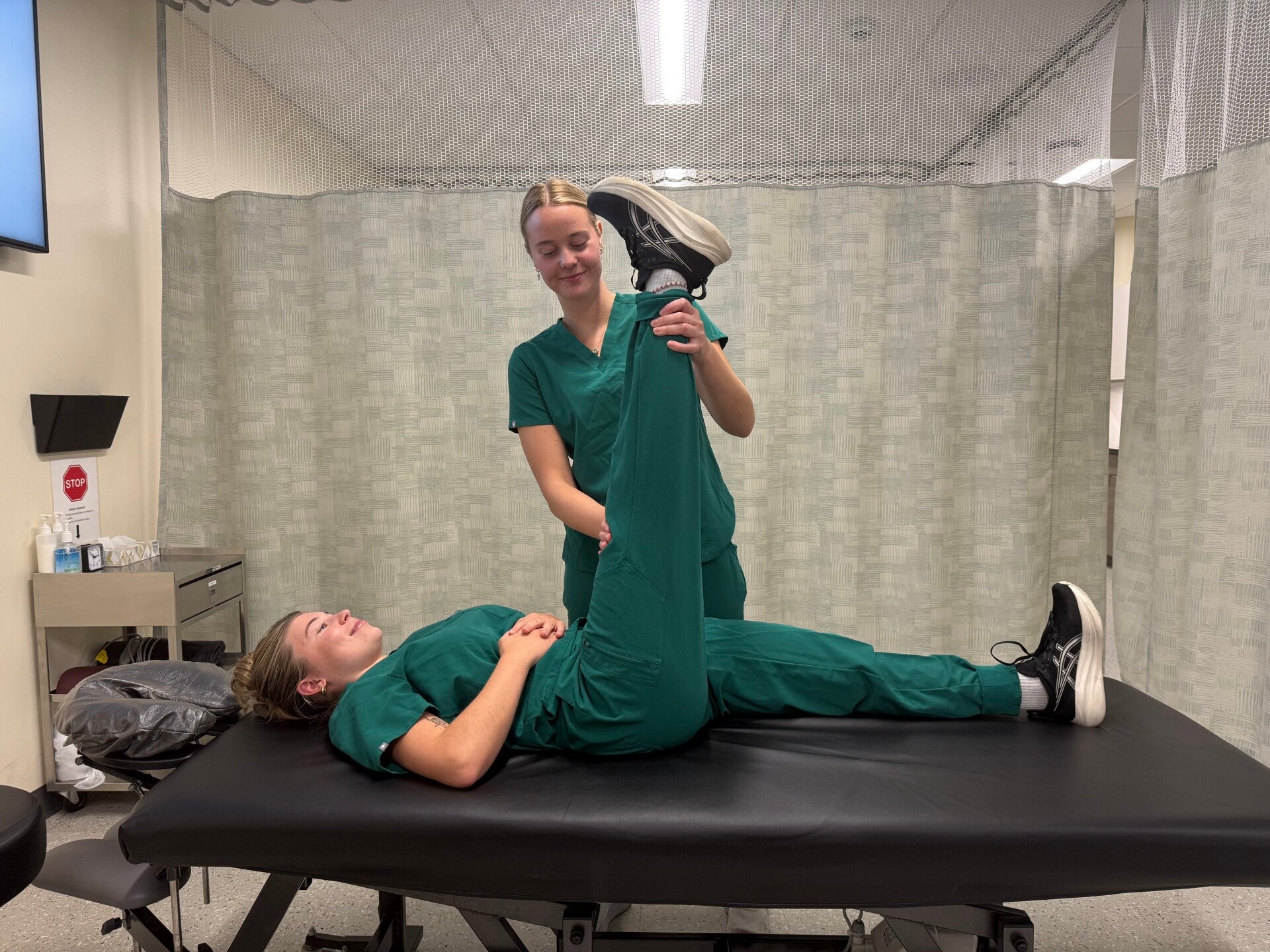
Remedial Exercise
Remedial exercise is an important component of the Massage Therapy program at Niagara College. Students learn how to prescribe and instruct a variety of therapeutic exercises, including stretching, strengthening, cardiovascular conditioning, balance training, and proprioceptive exercises. These interventions help clients improve mobility, strength, endurance, coordination, and functional movement while supporting recovery from injury and reducing the risk of future dysfunction. By developing competency in remedial exercise, students are better prepared to create comprehensive treatment plans that extend beyond hands-on care and empower clients to take an active role in their health and rehabilitation.
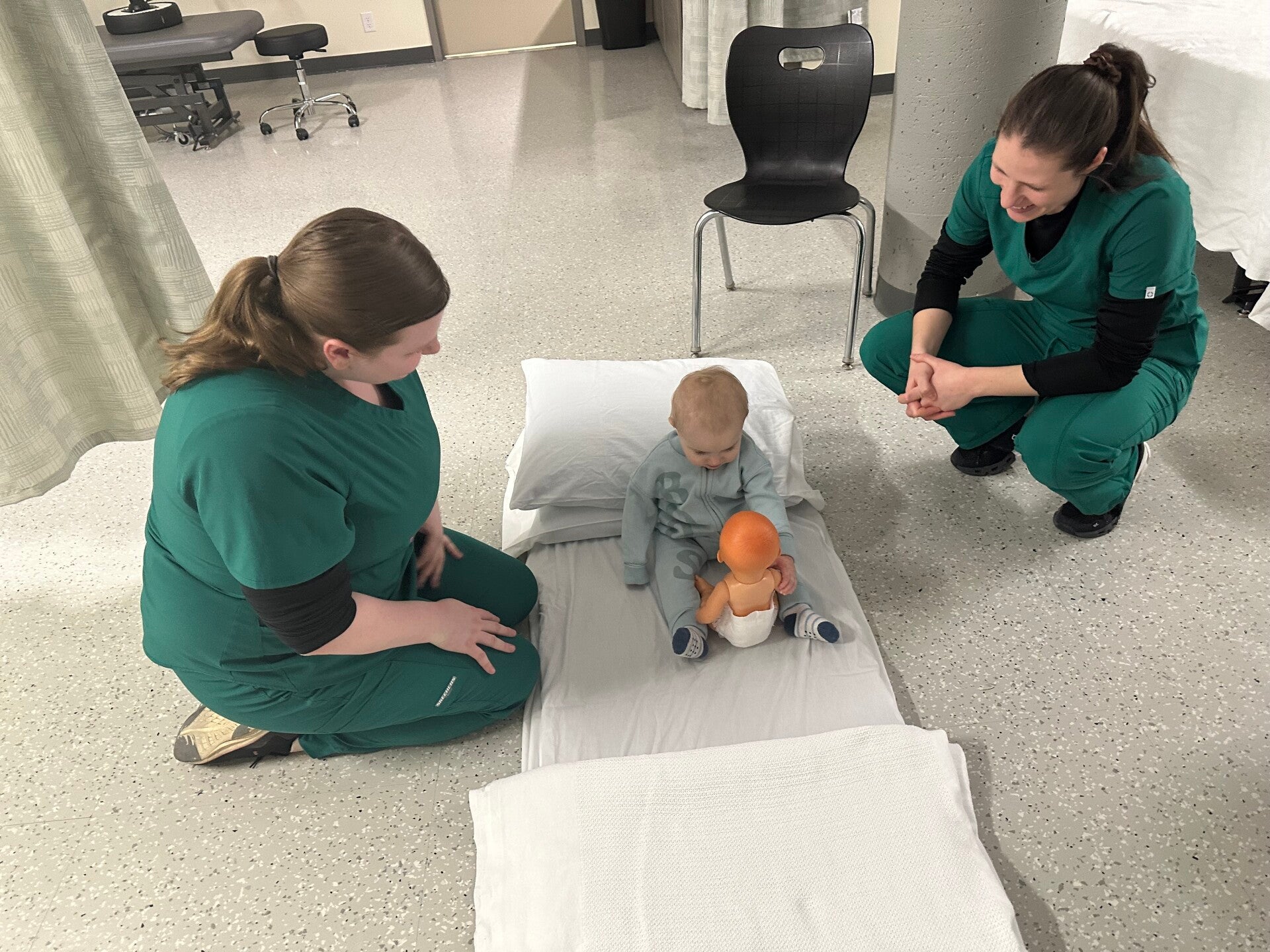
Speciality Clinics
Students have the opportunity to participate in unique learning experiences that expose them to specialized areas of massage therapy practice. These opportunities include training and clinical experiences related to pregnancy massage and infant massage, allowing students to develop an understanding of the unique considerations, adaptations, and benefits associated with treating these populations. Exposure to diverse client groups helps students broaden their clinical skills, enhance their confidence, and prepare for the varied needs they may encounter throughout their careers as Registered Massage Therapists.
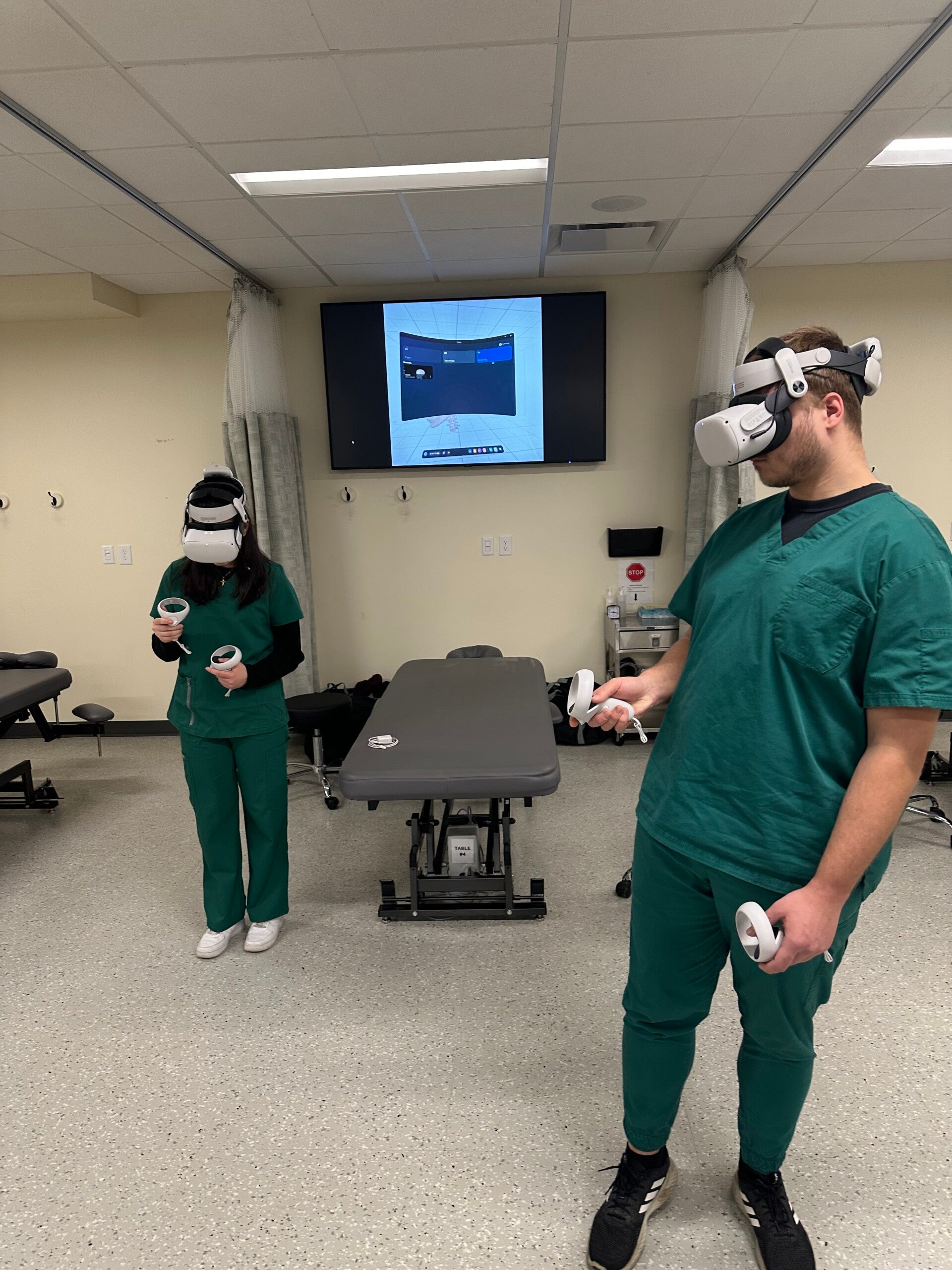
A Creative Space to Learn
Niagara College provides students with access to a variety of innovative learning environments that enhance their educational experience. In addition to traditional classroom and hands-on laboratory instruction, students benefit from simulation labs that allow them to apply their knowledge in realistic clinical scenarios and develop critical thinking skills in a safe learning environment. The program also incorporates virtual reality (VR) learning experiences that help students visualize and explore anatomical structures and physiological concepts in an interactive way. Further enriching their understanding of human anatomy, students have the opportunity to participate in a cadaver laboratory visit, providing a unique perspective on the structures they study and treat throughout their Massage Therapy education.
"Travis's classes are always engaging and supportive. I truly felt that my learning was a priority, and the resources provided were invaluable to my success."
A former student, Travis Steele Teaching Portfolio